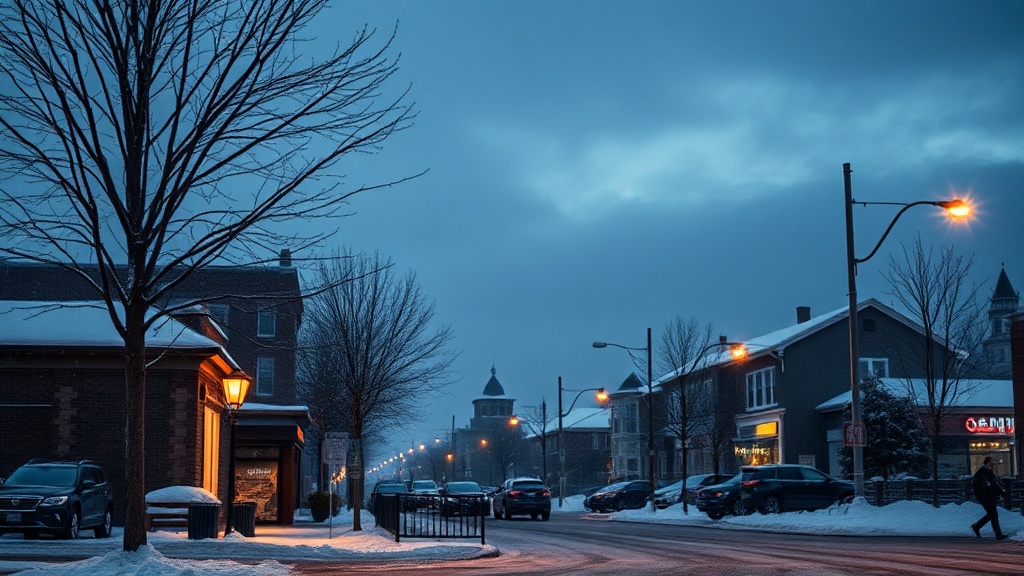
What Locals Wish They Knew About Surviving Winter in Cobourg

Most people think winter preparedness means buying a good snow shovel and hoping for the best. That mindset gets you through December — maybe — but by the time February storms roll through Northumberland County, you'll wish you'd planned differently. Cobourg winters aren't just cold; they're unpredictable, lake-effect heavy, and full of quirks that catch newcomers and longtime residents alike off guard.
We have lived through enough January thaws followed by flash freezes to know better. Whether you're a recent transplant or you've been here since the waterfront was a very different place, there are strategies that make winter in Cobourg more manageable — and even enjoyable. Here is what we've learned from years of navigating snowed-in streets, frozen pipes, and the particular challenges of lakeside living.
Why Does the Cobourg Waterfront Freeze Differently Than Inland Areas?
Living near Lake Ontario shapes our winter experience in ways that inland towns simply don't face. The lake moderates temperatures early in the season, which sounds nice until you realize it also creates microclimates that make weather forecasting nearly useless for precise local planning.
We have watched snow pile up downtown while friends ten minutes north report clear skies. The waterfront — particularly around Victoria Park and the marina — gets hit with lake-effect snow that doesn't always reach the northern neighbourhoods. This matters when you're deciding whether to brave a drive across town or hunker down at home.
The freeze-thaw cycle here is also more extreme. Water from the lake keeps the air slightly warmer on calm nights, but when winds pick up, the wind chill drops fast. We have learned to keep emergency supplies in our vehicles regardless of what the thermometer says at 8 a.m. The same lake that makes our summers pleasant can turn a routine commute into a hazard when conditions shift suddenly.
Locals know to monitor the Town of Cobourg's official website for real-time updates on road conditions and service disruptions. The town's public works department posts regular updates during storms, and their communication is more reliable than generic weather apps that don't account for our specific geography.
Where Are the Priority Snow Clearing Routes in Cobourg?
Not all streets get plowed at the same time — and understanding the priority system helps you plan your day when snow is falling. The town clears main arterial roads first, which means Division Street, King Street, and University Avenue see plows before residential side streets.
If you live in the east end near Elgin Street or in the older neighbourhoods around Orr Street, expect slower service. That is not neglect; it is logistics. The town has a limited fleet and a specific mandate to keep emergency routes clear. We have found that parking decisions make or break your morning after a storm. If your driveway exits onto a priority route, you're golden. If you're tucked away on a secondary street, plan to dig out before you need to be somewhere.
The downtown core gets attention quickly because of pedestrian traffic and business access. But here is something visitors never think about: snow removal from sidewalks is the responsibility of property owners. The town fines residents who don't clear their walks within 24 hours of a snowfall. We have seen this enforced more strictly in recent years, particularly along main commercial strips where uncleared walks create real hazards for pedestrians.
What Local Resources Help When Winter Gets Serious?
Every winter, someone in Cobourg loses power, gets stuck, or faces a heating emergency. Knowing where to turn before crisis hits saves stress and potentially lives. The Northumberland County emergency services coordinate closely with the town, but there are specific local resources worth bookmarking now.
The Cobourg Community Centre on D'Arcy Street operates as a warming centre during extreme cold warnings. This is not widely advertised until temperatures drop, but it is available to anyone who needs heat, charging stations, or simply a safe place to wait out a storm. We have seen residents use this resource during ice storms when power outages stretch for days.
For vehicle troubles, the local CAA contractors know Cobourg's streets better than provincial operators. If you're stuck on a side street in the west end or sliding on untreated roads near the hospital, local operators navigate these conditions daily. They also understand which routes are passable when GPS suggests otherwise.
The Cobourg Public Library maintains updated lists of emergency contacts and warming locations. Their staff trains specifically for winter weather scenarios, and the building itself serves as a community hub when regular routines get disrupted. We have spent more than one snow day there, working remotely while the streets outside turned into skating rinks.
How Do Cobourg Residents Actually Handle Long Winters?
Here is the truth nobody tells you: the psychological toll of winter matters as much as the physical challenges. Seasonal affective disorder hits hard in lake-effect regions where overcast skies dominate for weeks. We have learned that the residents who thrive here are the ones who refuse to hibernate completely.
The town's winter programming at the community centre includes activities that keep people moving and connected. The ice skating trail at Victoria Park — when conditions permit — draws locals who understand that fresh air and exercise combat winter blues more effectively than staying inside. We have met neighbours at that rink who became friends simply because we were the only ones stubborn enough to skate in minus-fifteen weather.
Local groups organize informal winter walking clubs that explore snow-covered trails at the Harold Barrett Park and along the waterfront path. These aren't tourist activities; they are survival strategies disguised as recreation. The social connection matters as much as the movement.
Which Winter Mistakes Cost Cobourg Homeowners the Most?
We have watched smart people make expensive errors. The most common: assuming your home insurance covers ice dam damage automatically. It often doesn't, especially if you haven't maintained your roof properly. Cobourg's freeze-thaw cycles create ice dams that destroy gutters, damage interiors, and lead to claims that get denied due to maintenance exclusions.
Another costly mistake — leaving hoses connected to outdoor faucets. It sounds obvious, but we know several residents who learned this the hard way when pipes burst inside walls. The older housing stock in our downtown neighbourhoods is particularly vulnerable because many homes have original plumbing in unheated spaces.
Failing to clear storm drains before freeze-up creates flooding when thaws arrive. The town maintains major drains, but the ones directly in front of your property affect you most. A blocked drain means water pooling on your sidewalk, freezing overnight, and creating liability hazards that you're responsible for addressing.
Perhaps the most expensive error is waiting until the first storm to buy winter supplies. Local hardware stores stock early for a reason. By mid-December, the selection of quality snow blowers, ice melt, and cold-weather gear gets picked over. We buy salt and sand in October now — learned that lesson after driving to Port Hope for basic supplies during a January storm.
What About Driving in Cobourg's Worst Conditions?
The west-east orientation of our main streets means drifting snow creates serious hazards. Division Street becomes a wind tunnel during northwesterly storms. We have seen transport trucks jackknife where the highway meets local roads, blocking traffic for hours. Smart locals check road conditions on Ontario 511 before committing to any trip during active weather.
All-wheel drive helps, but it doesn't make you invincible. The worst winter accidents in Cobourg happen when overconfident drivers hit black ice on the secondary roads. We stick to main routes even when GPS suggests shortcuts — those tree-lined residential streets look peaceful but hide ice patches that don't melt for weeks.
If you do get stuck, stay with your vehicle unless you can see immediate shelter. The density of our town means help usually arrives quickly, but walking in whiteout conditions disorients even people who know the streets well. Keep a blanket, water, and a phone charger in your car. These aren't paranoid precautions — they are standard equipment for anyone who drives in Northumberland County from November through April.